What Are You Really Breathing? The Shocking Truth About Your Indoor Air Quality
You diligently clean your home, but what about the air inside it? The truth is, the air you breathe at home—where you spend up to 90% of your time—can be two to five times more polluted than the air outside.
From contagious germs to silent, colorless gases, your home’s air is a complex mixture of particles and pollutants that can seriously impact your family’s health.
The Hidden Health Risks in Your Home
It’s not just “dust.” Poor Indoor Air Quality (IAQ) is a major contributor to a range of health issues.
| Symptom | Serious Condition |
| Sneezing, coughing, watery eyes | Worsened allergies and asthma |
| Shortness of breath, dizziness | Hypersensitivity pneumonitis (a rare lung disorder) |
| Chronic respiratory issues | Increased risk of heart disease and cancer |
And let’s not forget how easily sickness spreads. Did you know a single cough or sneeze can propel nearly 100,000 contagious germs at speeds up to 100 MPH? Those aerosol droplets hang in the air, ready to be inhaled.
6 Common Causes of Unhealthy Indoor Air
The main culprits for poor air quality are indoor pollutants that release gases or particles, often compounded by poor ventilation and improper temperature and humidity levels.
Here are the six major types of indoor air pollutants to watch out for:
Biological Contaminants (Mold, Dust Mites, Pollen, Bacteria/Viruses):
Mold can grow anywhere moisture is present—nearly a third to a half of all structures have damp conditions conducive to growth. Mold spores float in from outside or hitch a ride on clothing and shoes. Even healthy people can experience respiratory symptoms when exposed.
House Dust Mites are in every home, thriving in bedding, carpets, and furniture. They are one of the most powerful biological allergens and a major asthma trigger.
Pollen is a seasonal intruder, carried inside on people and pets and circulated through your home’s air ducts.
Chemical Pollutants (VOCs):
Volatile Organic Compounds (VOCs) are gases released from common household items like paints, cleaners, disinfectants, dry-cleaned clothing, and even new furnishings. They are released while being used and while being stored.
The Invisible Killers (Radon & Carbon Monoxide):
Radon: This is a radioactive, colorless, odorless gas that seeps up from the soil through cracks in your foundation. The EPA estimates that one in fifteen homes has elevated levels. Breathing these radioactive particles can cause lung tissue damage, which is a leading cause of lung cancer in non-smokers.
Carbon Monoxide (CO): Another colorless, odorless gas often released by unvented heaters, gas stoves, and furnaces with a cracked heat exchanger. At high concentrations, CO causes headaches, fatigue, nausea, and can quickly lead to unconsciousness and death. Over 200 people die each year from accidental CO poisoning.
4 Low-Cost Ways to Start Improving Your IAQ Today
You don’t have to invest a lot to see a difference! Here are four ways to take immediate action:
Eliminate or Limit the Source: This is the best approach. Whether it’s removing mold, limiting pet dander, or choosing low-VOC cleaning products and paints—stop the pollutants at the source.
Improve Ventilation: Fill your home with fresh air. Open windows and doors when weather permits, and make sure your kitchen and bathroom fans are exhausting air to the outdoors.
Manage Humidity: Aim for humidity levels between 30 and 50 percent. This range helps inhibit the growth of mold and dust mites. Air conditioning is key in the summer, and a whole-home humidifier is vital in the dry winter to help keep your immune system strong. Need help? PDM offers expert dehumidifying solutions for problem areas like basements.
Change Your Air Filters: Change your furnace filter monthly or whenever it looks dirty. A dirty filter can restrict airflow by as much as 60%, straining your equipment and doing little to protect your lungs. Remember, a standard air filter’s primary job is to protect your equipment, not to purify your air.
The Smart Upgrade: HVAC Air Purifiers
If you’re serious about protecting your family’s health, an advanced, whole-home air purification system is the most effective solution.
Why a Whole-Home Air Purifier?
Installed directly into your HVAC system, an air purifier treats all the air that circulates in your home—up to 10 times an hour.
These modern systems go far beyond a simple filter. They use a combination of advanced technologies—like UV light, ions, and natural oxidizers—to actively destroy airborne mold, bacteria, viruses, allergens, and odors, instead of just trapping them.
Better Health: A whole-home system can alleviate everything from minor irritations like sore throats and sneezing to reducing the risk of cardiovascular disease and other chronic conditions.
Maintenance-Free Design: The latest systems offer maintenance-free operation, saving you time and money compared to traditional filter or UV-based units.
Limited-Time Offer: We’re currently taking $100 OFF this healthy system for a limited time! Give your family the gift of cleaner, healthier air.
Protecting Your Home Since 1885
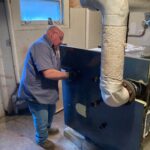
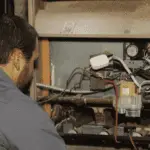
The threat of Carbon Monoxide alone is a good reason to have your furnace inspected annually. Our experts will check for a cracked heat exchanger and tune your unit for safe, efficient operation.
Let the PDM Clean Team help you conquer your Indoor Air Quality challenges. We’ve been serving the greater Bolingbrook, Homer Glen, Joliet, New Lenox, and Plainfield, IL areas since 1885.
Contact PDM today for free advice or to schedule your air purifier installation. Call 815-390-7095!