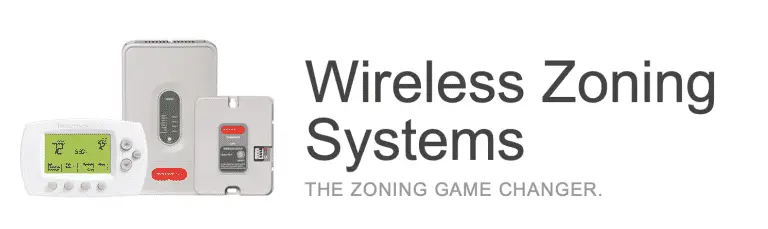
Are you tired of constantly adjusting your thermostat because one room is freezing while another is sweltering? You’re not alone. Many homeowners struggle with an unevenly cooled or heated house. The solution isn’t one thermostat—it’s having several.
An HVAC zoning system is the most effective way to achieve perfect, room-by-room comfort and make a significant dent in your monthly utility bills. This comprehensive guide explains exactly how a temperature zoning system works and why it’s the energy-efficient upgrade your home or business needs.
What is an HVAC Zoning System and How Does it Work?
An HVAC zoning system, also known as temperature zoning control or zone heating and cooling, divides your property into distinct areas or “zones” that can be controlled independently.
Instead of your central furnace or air conditioner blasting air to every room based on a single thermostat, a zoned system directs conditioned air only where it’s needed.
The 4 Core Components of a Zoned HVAC System
A typical system uses four main components to create independent temperature control:
Zone Thermostats: Each zone (e.g., upstairs, master suite, finished basement) gets its own thermostat. This allows occupants in different areas to set their preferred temperature.
Duct Dampers: These are motorized “valves” installed inside your existing ductwork. They open and close to regulate or completely block the airflow to a specific zone.
Zone Control Panel: This is the “brain” of the system, typically installed near your furnace. It reads the requests from all the thermostats and sends signals to the dampers, telling them exactly when and how much to open or close.
Multi-Stage or Variable-Speed HVAC Unit: While not strictly required, these units work best with zoning. They can adjust their output to a lower setting when only one or two zones need heating or cooling, maximizing energy efficiency.
In Action: If you turn up the heat on the upstairs thermostat at night, the control panel opens the dampers for the upstairs zone and may close the dampers for the unoccupied main floor zone. The furnace only runs until the upstairs reaches its set point.
Is Home Temperature Zoning Right for Your Property? (Checklist)
A single-thermostat system often fails to account for a building’s unique characteristics. Zoning is an ideal solution for eliminating hot and cold spots in homes or businesses that have:
Multiple levels (e.g., a two-story home).
Rooms with large windows or poor insulation.
Finished basements or converted attics.
Seldom-used spaces (guest rooms, offices).
Open-concept living areas or significant size differences between zones.
If you constantly move from one temperature extreme to another in your home, a zoning system provides the precision control you’re looking for.
The Proven Benefits of HVAC Temperature Zoning
Zoning delivers value in two primary areas: comfort and cost savings.
💰 Lower Utility Bills & Greater Efficiency
Significant Energy Savings: The U.S. Department of Energy reports that using multiple programmable thermostats with zoning can lower utility bills by up to 35%.
Targeted Heating & Cooling: You stop wasting money cooling or heating vacant rooms. Why cool the entire downstairs while you sleep upstairs?
Eco-Friendly Operation: Using less energy is a smart, eco-friendly choice that reduces your carbon footprint.
✨ Superior Comfort & System Longevity
Personalized Comfort: Everyone in your family or office can set the temperature that suits them best. No more thermostat wars!
Eliminate Inaccuracies: The system uses multiple temperature sensors instead of relying on one single point, ensuring your desired temperature is actually achieved throughout the home.
Longer HVAC Lifespan: By only running your furnace or AC at full power when necessary, a zoned system reduces overall wear and tear, leading to a longer-lasting HVAC system.
Ready to Install an HVAC Zoning System in the Joliet Area?
A quick note of caution: Before installing any zoning system, you should address underlying issues like poor insulation or significant air leaks. A professional HVAC contractor can perform a home energy audit to ensure your system is installed on a solid foundation.
At PDM Plumbing, Heating, Cooling, we specialize in high-quality HVAC zoning installation and service for homeowners and businesses across the greater Joliet, Plainfield, New Lenox, Bolingbrook, Homer Glen and SW Chicago Suburbs. We’ve been a trusted name since 1885, providing the expertise to perfectly size and install a zoning system tailored to your unique comfort needs.
Stop overpaying to heat or cool empty rooms.
Contact us today for a free consultation on a temperature zoning system!
Call 815-390-7095 to ask about our latest special offer!
.